Save $1,000 on Your Basement Remodel
Install Tailored Cabinetry and Bookshelves With Custom Built-In Installation in Newington, CT
Freestanding shelves and cabinets can solve a storage problem, but they do not always make good use of a basement. Furniture may leave awkward gaps, take up more floor space than expected, or provide plenty of shelves without organizing the things you actually need to store. Custom built-in installation gives you another option by planning storage around the room instead of asking the room to work around standard furniture.
That could mean a wall of bookshelves near a reading area, an entertainment center with concealed cabinets, storage for a basement office, or shelving and cabinetry in a playroom. Built-ins can also make use of alcoves and underused wall space that may otherwise contribute very little to the room.
Dynamic Basements Plus starts with a practical question: what needs a place? From there, we can discuss what should stay visible, what you would rather put behind cabinet doors, and how the storage should relate to the rest of your basement. The goal is to make the built-in useful enough to solve a real problem while helping it feel like it belongs in the room.
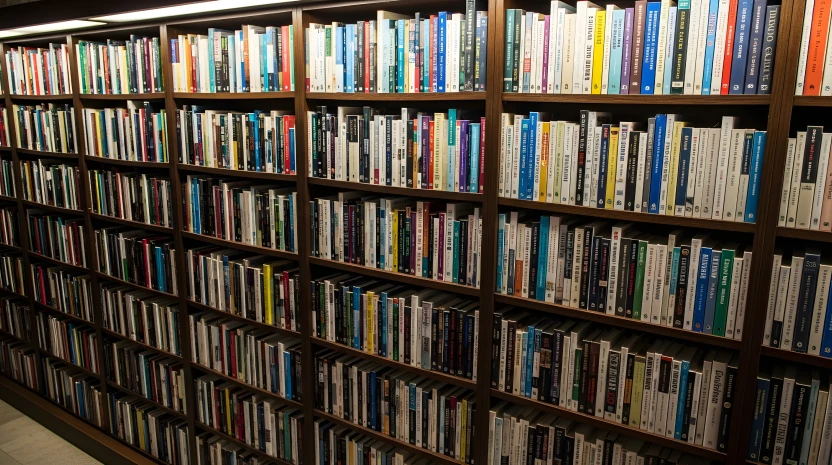
Start With What You Need to Store, Display, or Keep Within Reach
A built-in should not begin with a row of empty shelves.
It should begin with the things that need somewhere to go.
Books require a different setup from media equipment. A playroom may need accessible storage for toys and games, while an office might need a combination of shelving and cabinets for books, files, and supplies. An entertainment area may benefit from open display space alongside enclosed storage that keeps accessories out of sight.
Understanding those differences makes built-in shelving remodeling more useful.
Instead of filling an available wall because it looks empty, we can consider what that wall could actually do for the room.
Open shelving may make sense for books, photographs, or items you want to display. Enclosed cabinets can be useful for belongings you need nearby but do not necessarily want visible. Combining the two can provide a balance between display and everyday organization.
The location matters too. Built-ins should support the activity happening nearby instead of forcing people to cross the basement whenever they need something.
Bookshelves and Reading-Area Storage
Bookshelves can turn unused wall space into organized storage for books and display items. When they are part of a reading area, the storage can be planned around how that part of the basement will actually be used.
Entertainment Centers and Media Cabinets
An entertainment center can provide a defined location for media equipment and related storage. Open areas and concealed cabinets can be considered together so the setup supports the room without allowing accessories to create unnecessary clutter.
Display Shelves With Enclosed Storage
Not everything needs to be hidden, and not everything needs to be on display. Combining shelves with enclosed cabinets can give you room for both while helping the built-in serve more than one purpose.
Office and Playroom Cabinetry
Home offices and playrooms can collect a lot of smaller items. Built-in storage can be planned around books, supplies, games, toys, files, or other belongings that need to stay organized and accessible.
Storage for Alcoves and Underused Walls
Basements can have areas where standard furniture does not fit particularly well. Custom storage can explore whether an alcove or underused wall could provide useful organization without unnecessarily taking up more floor space.
Use the Space the Room Already Gives You
One of the main advantages of custom storage is the ability to respond to the room you actually have.
Standard furniture comes in predetermined dimensions. Your basement does not.
That mismatch can leave narrow gaps beside cabinets, unused areas around alcoves, or shelving that extends farther into the room than you would like. In a basement where several activities already compete for square footage, those compromises can matter.
A custom cabinetry service can approach the problem differently.
Rather than asking where a particular piece of furniture will fit, we can look at the available wall or area and discuss what kind of storage would be useful there.
This is especially helpful when the basement has a clear purpose.
In a home office, storage might belong near the desk because that is where books, files, and supplies are used. In a playroom, cabinetry may work better near activity areas. In an entertainment room, media storage should relate to the television and seating arrangement.
The built-in becomes part of how the room functions.
This does not mean every empty wall needs cabinetry. Sometimes preserving open space is more useful. A large built-in that provides more storage than you need can make a room feel crowded and take away flexibility.
We would rather understand the storage problem first and then determine how much built-in space makes sense.
Decide What Should Be Seen and What Should Be Put Away
Good storage is not always about hiding everything.
Some belongings contribute to the room when they are visible. Books, photographs, collections, and decorative items may belong on open shelving. Other things are useful but create visual clutter when they are always on display.
That is where a combination of open and enclosed storage can help.
An entertainment center, for example, might provide display space while using cabinets for accessories and other items. A playroom could combine accessible shelving with enclosed storage. An office may need books within easy reach while keeping supplies or files in cabinets.
The right balance depends on what you own and how you use the room.
This is also where details such as custom trim and molding can help the storage feel more integrated with the surrounding basement. Those finishing elements should support the overall built-in rather than becoming decoration without a purpose.
The objective is a cohesive result.
When storage is planned as part of the room, it can feel less like furniture placed against a wall and more like an intentional part of the finished basement.
That distinction is particularly useful when built-ins are included during a broader remodel, because their size, location, and finishes can be considered alongside the rest of the space from the beginning.
Add Built-Ins During a Remodel or Improve an Existing Room
Custom bookshelves and cabinetry do not necessarily require an entire basement transformation.
Built-ins can be incorporated into a larger custom remodeling project, where the storage is planned alongside the room’s layout and finishes. They can also be discussed as a focused improvement to an existing basement room.
Each approach has its own planning considerations.
During a larger remodel, it may be easier to decide early where storage belongs in relation to furniture, activity zones, and surrounding rooms. A home office can be planned with cabinetry in mind from the beginning. An entertainment room can reserve appropriate wall space for a media center. A playroom can establish storage near the activities it needs to support.
In an existing finished room, the conversation starts with what is already there.
Maybe freestanding shelves are using more floor space than you would like. An alcove is sitting empty because standard furniture does not fit. A media area has no organized place for equipment and accessories. Or you simply need more useful storage without adding another cabinet or bookshelf to the floor.
In either situation, the built-in should solve a specific problem.
Adding cabinetry simply to fill space can create a different kind of clutter. The better outcome is storage that earns the space it occupies.
Make Storage Feel Like It Belongs in the Basement
Built-ins are practical, but they also affect how the room feels.
A wall of mismatched freestanding furniture can make a finished basement look pieced together even when each individual item is useful. Custom storage creates an opportunity to coordinate the organization with the room itself.
That can include the proportions of the shelving and cabinets, the amount of open versus enclosed storage, and finishing details such as trim and molding.
The surrounding room still matters.
A built-in for an office should support work. A media center should support the entertainment area. Playroom cabinetry should make toys and supplies easier to organize. Bookshelves should provide useful storage without unnecessarily reducing the space available for furniture and movement.
Dynamic Basements Plus approaches built-ins from that broader basement perspective.
Our team brings over 26 years of construction experience to residential remodeling, and basements remain the primary focus of our work. We understand that storage is only successful when it improves the way the rest of the room functions.
You do not need to know how many shelves or cabinets you want before starting the conversation. It is more useful to show us what you are trying to organize, what is not working now, and where you think storage could help.
From there, we can discuss a practical configuration around the available space.
If you are considering custom built-in installation in Newington, CT, tell us what needs a better place in your basement. We can help you explore bookshelves, cabinetry, entertainment storage, or built-ins that turn underused areas into useful parts of the room.
Frequently Asked Questions About Custom Basement Built-Ins
Where Can Custom Built-Ins Be Used in a Basement?
Built-ins can be considered for reading areas, entertainment rooms, home offices, playrooms, alcoves, and other underused wall areas. The best location depends on what you need to organize and where those belongings are used. Planning storage near the activity it supports can make the built-in more practical than simply choosing an empty wall.
Should I Choose Open Shelving or Enclosed Cabinets?
That depends on what you want to store. Open shelves can work well for books, photographs, collections, and items you want visible. Enclosed cabinets can organize supplies, games, media accessories, and other belongings you would rather keep out of sight. Many rooms may benefit from combining both types of storage.
Can Built-Ins Be Added to an Existing Finished Basement?
Built-ins can be discussed as a focused improvement to an existing room as well as part of a larger basement remodel. In an existing space, we look at the available wall area, current layout, storage problem, and surrounding finishes before discussing what kind of built-in arrangement may make sense.
Can You Build Storage Around an Entertainment or Office Area?
Entertainment centers, media cabinets, office shelving, and office cabinetry are among the custom built-in options supplied for this service. The storage can be considered around what you need to keep, display, or access so it supports the room’s purpose instead of simply adding more shelving.
How Do I Know How Much Built-In Storage I Need?
Start with the belongings causing the current storage problem. Think about what should stay visible, what you want behind cabinet doors, and where those items are used. From there, the available wall space and room layout can help determine how much storage makes sense without unnecessarily filling the basement with cabinetry.
Save $1,000 While Putting More of Your Basement to Work
Add useful built-in storage and save $1,000 on qualifying $20,000+ projects.